THE VINEYARD
The vineyard, from the Tertiary Period to the present day…
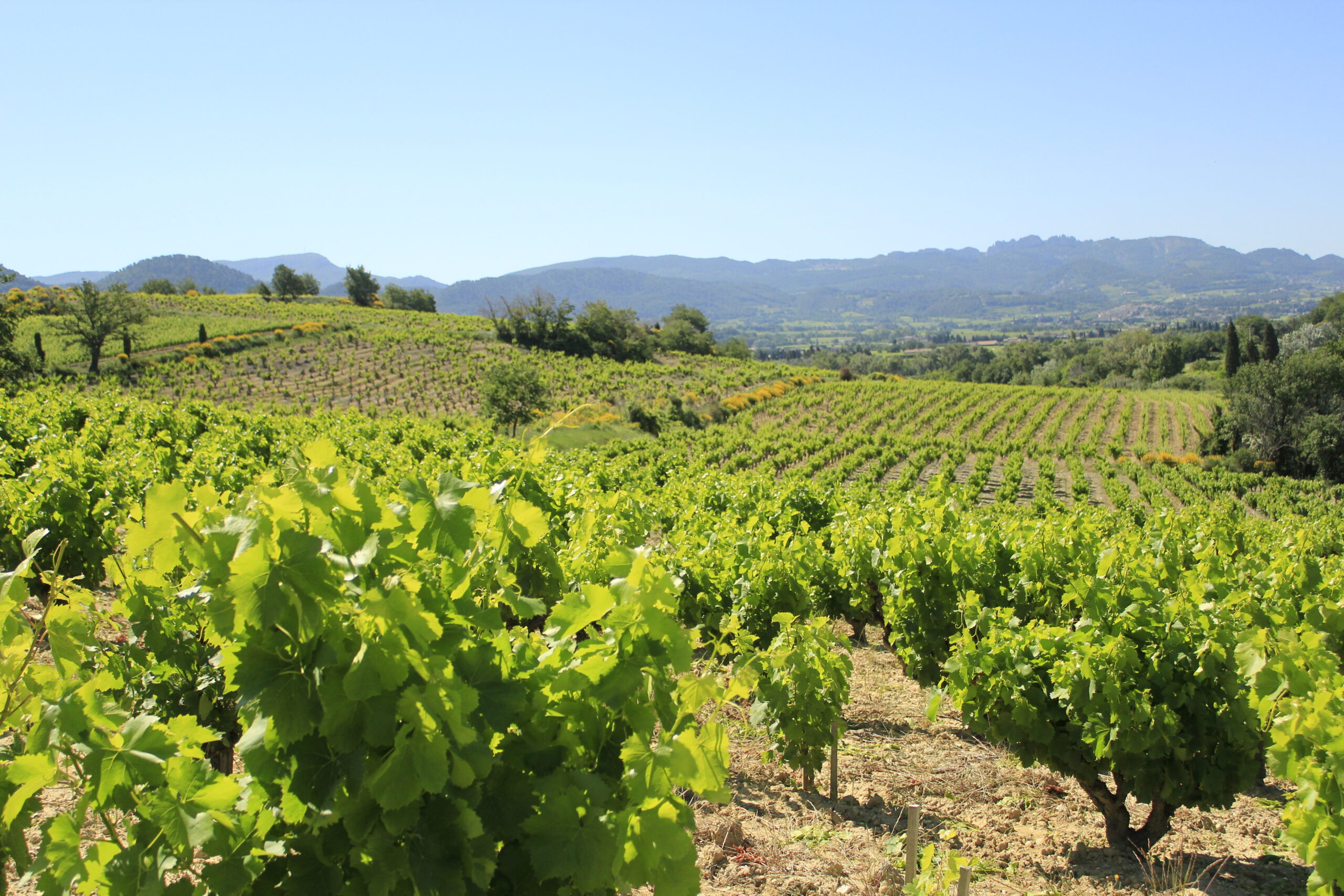
The estate covers 35 hectares of vineyards spread across the municipalities of Rasteau, Cairanne, and Roaix.
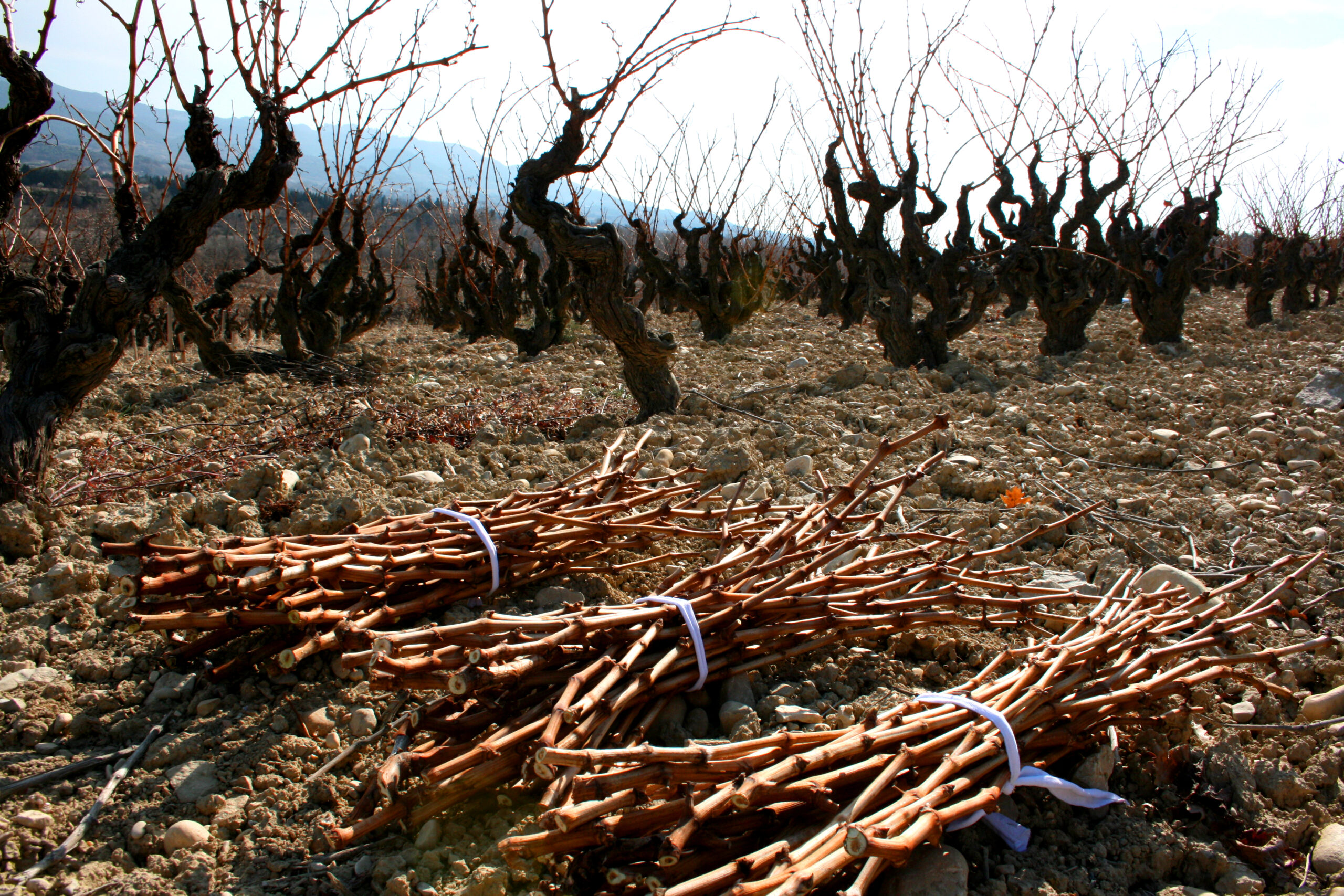
The average age of the vineyard is 45 years, with post-phylloxera Grenache vines in Roaix that were replanted in 1902. 1920 is another important date, as it marks the golden age when Théophile Charavin chose the Trapadis vineyard to revive the family estate.
The Cairanne appellation, with its sun-drenched terroirs, will enrich the estate’s blended wines.
Grape varieties
Red grape varieties
Grenache (60%)
Mourvèdre (14%)
Syrah (9%)
Carignan (6%)
Cinsault (2%)
White grape varieties
Grenache blanc (5%)
Clairette (2%)
Ugni-Blanc (1%)
A few vines of Counoise, Picpoul Blanc, and Carignan Blanc shed light on our vision for the future and our constant re-evaluation of our expertise.
Terroirs
The vineyards of Domaine du Trapadis are situated on ancient sedimentary formations (primarily alluvial) deposited during the Tertiary and Quaternary periods.
The vineyard is divided into 4 distinct geological sections :
Sandy loam
Soil origin
This geological formation dates back to the Tertiary Period, specifically the Miocene epoch.
Located at an elevation of 130 meters, at the foot of the Miocene massif, this plot consists of colluvial deposits from the aforementioned Tortonian formations.
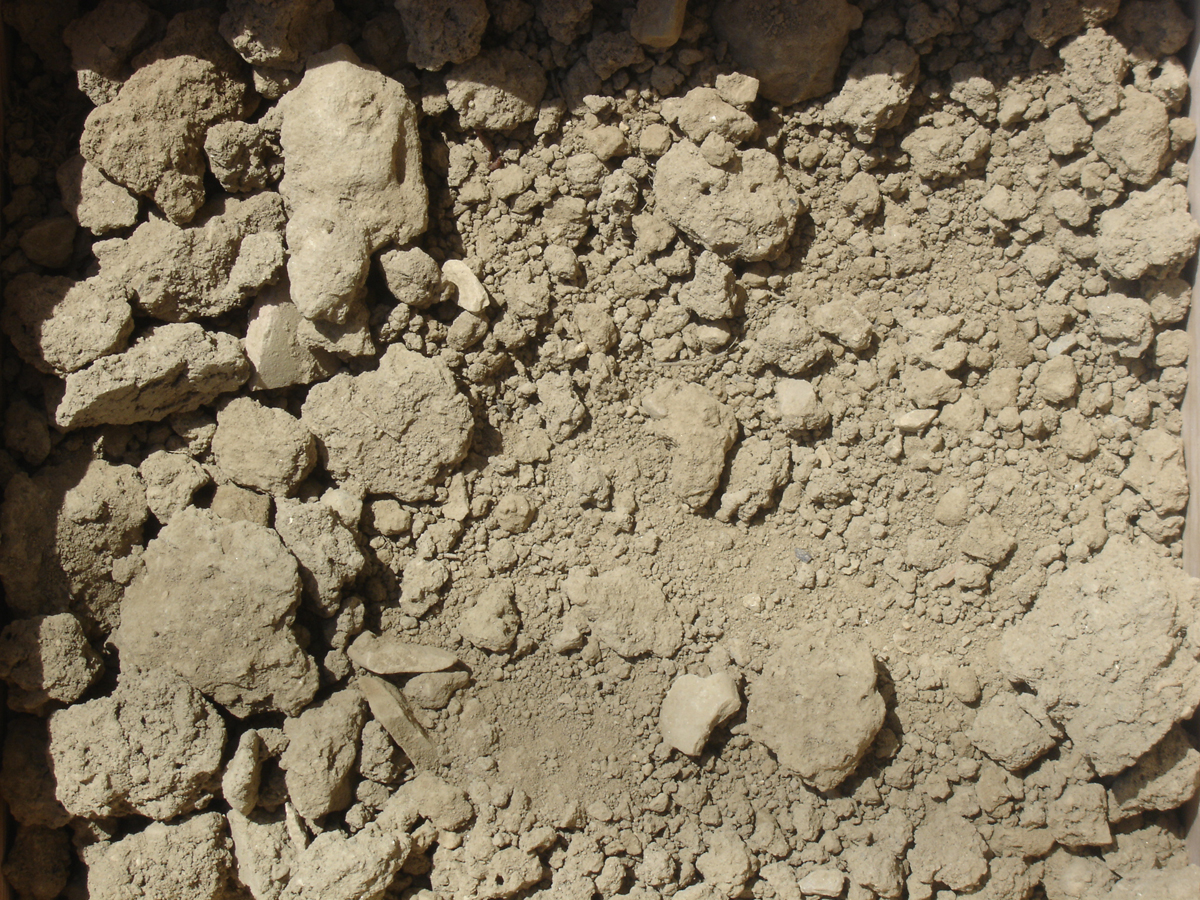
This results in a sandy-loam, limestone-based soil that is rich in clay at depth. It is a deep, highly calcareous soil with little clay content, producing wines that are fruity, round, low in tannins, and very refined.
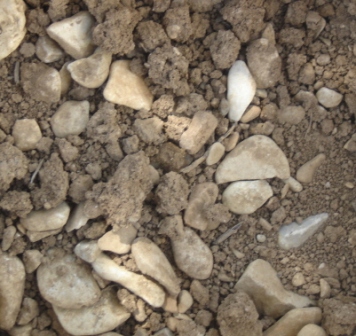
Red Clay
Soil origin
This geological formation dates back to the Quaternary period.
At an elevation of 135 meters, this is an ancient terrace from the Riss (the third glacial period of the Quaternary, dating from 300,000 to 120,000 years ago). These are alluvial deposits carried by the Ouvèze River during that glacial period. The soils are reddish-brown, consisting of pebbles embedded in a sandy-clay matrix.
This is “Plan de Dieu.” The soil here is poor but very clayey, with little limestone, and well-drained thanks to the presence of sand and small, rounded pebbles. It produces concentrated, fruity, and spicy wines with good tannic structure. Aging potential of 6 to 8 years.
Yellow clay
(with blue clay veins)
Soil origin
This geological formation dates back to the Tertiary Period, specifically the Miocene epoch.
At an elevation of 190 meters, the soil also originates from mixed Tortonian formations (middle and upper alluvial deposits of continental origin composed of pebbles coated with clay and marl).
Here, there is no distinction between the geological formations because this is an area of “mixing” and blending resulting from tectonic activity and the formation of the Alps.
It is a clay-limestone soil with an almost equal proportion of clay and loam. This balance provides the vines with a water reserve as well as a storehouse of minerals that remain available throughout the growing season.
Clay acts like a sponge, absorbing water during the winter and releasing it to the vines during the summer. This soil produces grapes with high sugar content, ideal for Vins Doux Naturels.
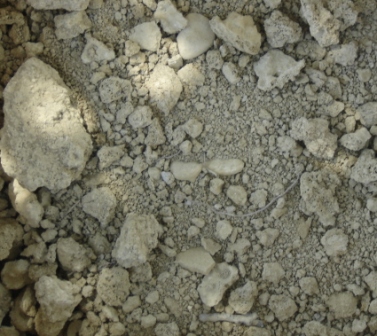
Blue clay
(with yellow clay veins)
Soil origin
This geological formation dates back to the Tertiary Period, specifically the Miocene epoch.
At an elevation of 197 meters, the soil dates back to the Middle Tortonian period.
This deposit, known as a “lacustrine deposit,” formed in a lake and is composed of gray sand and oyster marl.
It is an ancient clay-limestone soil. On the one hand, its structure strikes a balance between clay, loam and sand, which ensures a very consistent supply of water and minerals to the vines without causing stress. It is a soil that is highly resistant to drought. On the other hand, the presence of limestone produces wines that are very refined, dense, tense, complex, mineral-driven, and long on the palate.
The single-vineyard approach, which Helen and her team pursue every day, aims to reveal, through each vintage, the touch of each terroir in the glass, the alchemy of a place, a climate, and a spirit.